People often ask us when the “right” time to visit Sri Lanka is. The honest answer is that there isn’t one single season. The island is small, but it has two monsoons that arrive at different times and hit different coasts. When one side is wet, the other is usually dry.
That means you can travel here all year. You just need to choose the right side of the island for your dates. This guide explains how the weather works, then goes through the year month by month.
How do the monsoons work in Sri Lanka?
There are two main monsoon seasons and two shorter inter-monsoon periods.
- South-west monsoon, roughly May to September. Rain falls mainly on the west coast, the south coast and the hill country. Colombo, Galle, Mirissa and the tea country get most of the wet weather. The east coast and the north stay mostly dry and sunny.
- North-east monsoon, roughly December to February, with rain often starting in November. The pattern flips. Rain falls mainly on the east coast and the north, around Trincomalee, Pasikudah and Jaffna. The west and south coasts and the western hill country around Kandy and Nuwara Eliya have their driest, clearest months, though Ella and the eastern hills can still be wet in November and December.
- Inter-monsoon periods, around March to April and October to November. Winds are light and the weather is less predictable. Expect hot days with afternoon thunderstorms. The October to November period is usually the wettest time of year across much of the island.
A few things help to keep this in perspective. Monsoon rain tends to come in heavy showers or storms, often in the afternoon or overnight, rather than grey drizzle all day. Mornings are often clear. And the Cultural Triangle in the middle of the island (Sigiriya, Dambulla, Polonnaruwa) sits in the dry zone, so it is reasonably dry for much of the year.
Sri Lanka weather by month at a glance
| Month | Best regions | Worth knowing |
|---|---|---|
| January | West, south, hill country, Cultural Triangle | Peak season, clear hills, Mirissa whales |
| February | West, south, hill country, Cultural Triangle | Often the driest month in the south-west |
| March | West, south, hill country, Cultural Triangle | Hot, start of the inter-monsoon storms |
| April | Most of the island | Sinhala and Tamil New Year, east coast starts to open |
| May | East coast, Cultural Triangle | South-west monsoon arrives, Vesak |
| June | East coast, Cultural Triangle | Poson, Trincomalee and Arugam Bay at their best |
| July | East coast, Cultural Triangle | Elephant gathering begins, Kandy Perahera (some years) |
| August | East coast, Cultural Triangle | Kandy Perahera (some years), peak surf at Arugam Bay |
| September | East coast, Cultural Triangle | Quieter month, Yala’s main blocks often close |
| October | Patchy everywhere | Inter-monsoon rains, low prices |
| November | West and south improving | Rainy, Mirissa whale season begins |
| December | West, south, hill country | Busy and festive, east coast wet |
Month-by-month guide
January
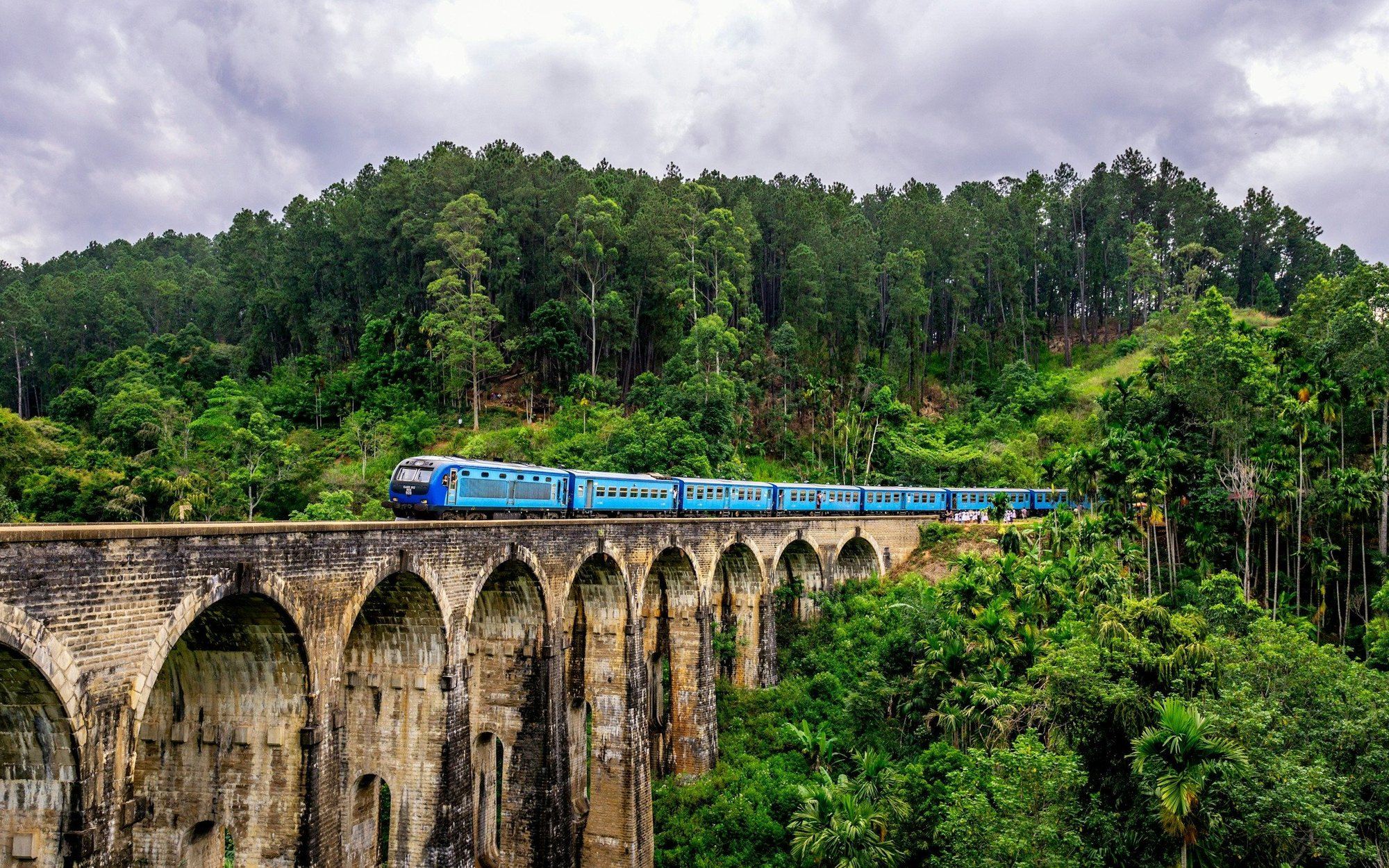
One of the best months for a classic round trip. The south and west coasts are dry and sunny, the hill country has cool, clear mornings, and Sigiriya and the ancient cities are pleasant. Whale-watching boats run from Mirissa. The east coast is still in its rainy season. It’s a popular month, so book hotels and the Kandy to Ella train early.
February
Often the driest month on the south-west side of the island, and a very good time for Yala. Beaches from Bentota to Tangalle are at their best. Expect high-season prices and busier sites.
March
Still good across the south, west and hills, and getting hotter in the lowlands. Towards the end of the month the first inter-monsoon begins, bringing the odd afternoon thunderstorm. A good month for a mix of culture, tea country and beach.
Is April a good time to visit Sri Lanka?
Yes, with a little planning. It’s hot and humid, with afternoon storms in many areas. The Sinhala and Tamil New Year falls on 13 to 14 April, a family holiday when many shops close for a few days and local tourists fill the hill country, especially Nuwara Eliya. It’s a lovely time to see local traditions, but book ahead. The east coast starts to come into season, and the Arugam Bay surf season begins around April or May.
Is May a good time to visit Sri Lanka?
May is a shoulder month. The south-west monsoon usually arrives, so the west and south coasts get more rain and rougher seas. The east coast, around Trincomalee, Nilaveli and Pasikudah, becomes the place for beaches. Vesak, the full moon festival marking the Buddha’s birth, enlightenment and passing, usually falls in May. Towns are lit with lanterns and roadside stalls hand out free food. Prices start to drop.
June
The east coast is in full swing, with calm, clear water. Whale watching continues off Trincomalee, where the season runs roughly from March to August. Poson, which marks the arrival of Buddhism in Sri Lanka, falls on the June full moon and is celebrated above all at Mihintale and Anuradhapura. The hill country can be misty and wet, but it’s still green and beautiful, and the south coast has sunny spells between showers.
July
A good month for an east coast trip with culture and wildlife. The elephant gathering at Minneriya and Kaudulla usually builds from around July, as the dry season shrinks the water and herds come to the reservoirs to graze. How many turn up varies from year to year with the water level, so it is worth asking which park is best on your dates. Arugam Bay is busy with surfers. In some years the Kandy Esala Perahera starts in late July.
August
Peak summer holiday season for European visitors, and a good time for the east coast, Arugam Bay and the Cultural Triangle. The Kandy Esala Perahera, one of Asia’s great Buddhist processions, is held in July or August depending on the lunar calendar. It runs for around ten nights, with the grandest processions at the end. Kandy hotels fill fast, so book well ahead.
September
A quieter month. The east coast is still mostly dry and this is traditionally the time of the Minneriya and Kaudulla elephant gathering, though numbers vary with the water level. The main blocks of Yala National Park often close for one to two months in September and October during the drought, though other parts of the park usually stay open. Dates are announced each year. Udawalawe is a good alternative for elephants. Rain starts to build in the south-west towards the end of the month.
Is October a good time to visit Sri Lanka?
October and November are usually the wettest months overall, because the second inter-monsoon brings rain to much of the island at the same time. It’s not a write-off: there are sunny mornings, prices are low and sites are quiet. Plan a flexible route, allow for weather on the hill roads, and don’t expect perfect beach days anywhere.
November
Rain continues, especially in the east and north as the north-east monsoon sets in. The south and west coasts start to dry out towards the end of the month, and the whale season off Mirissa usually begins. A good month for travellers who want lower prices and don’t mind a few showers.
December
The start of peak season on the west and south coasts and in the hill country. The weather is usually good by mid-December, and the Christmas and New Year period is the busiest and most expensive time of year. Book hotels several months ahead. The east coast is wet and many beach hotels there close or run quietly.
Best time for…
Beaches
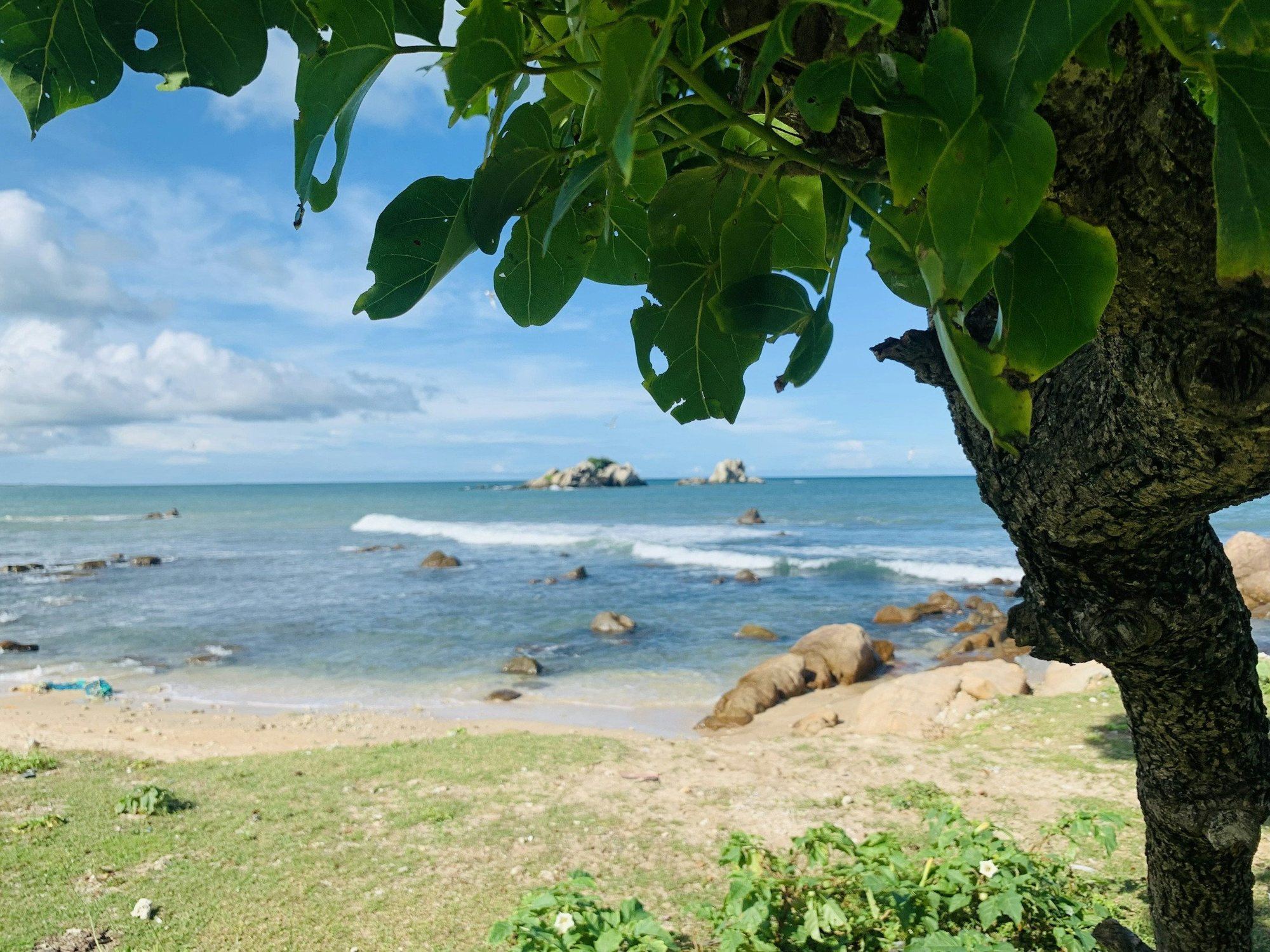
- West and south coasts (Bentota, Galle, Mirissa, Tangalle): December to April.
- East coast (Trincomalee, Nilaveli, Pasikudah, Arugam Bay): roughly May to September.
The hill country
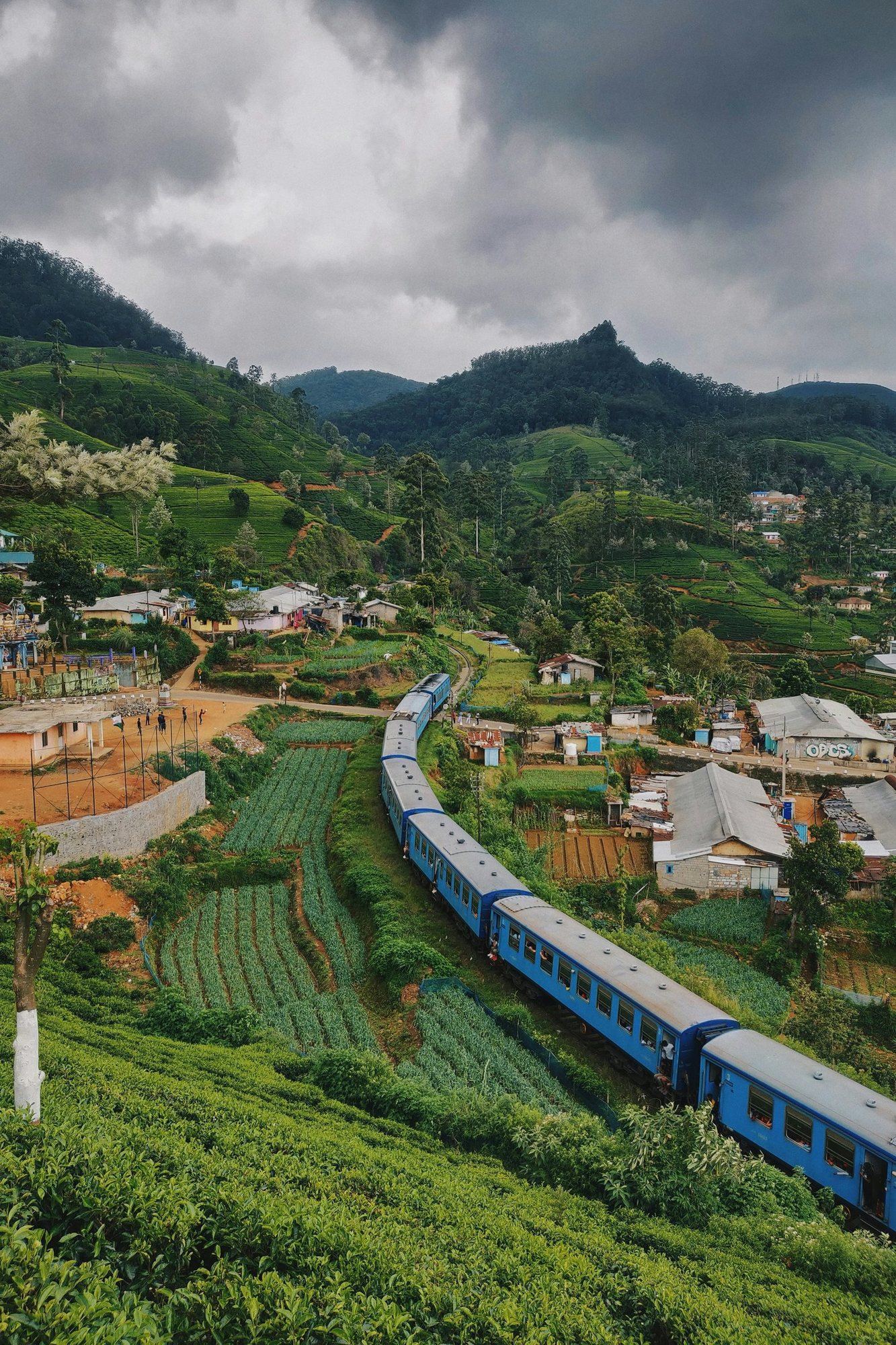
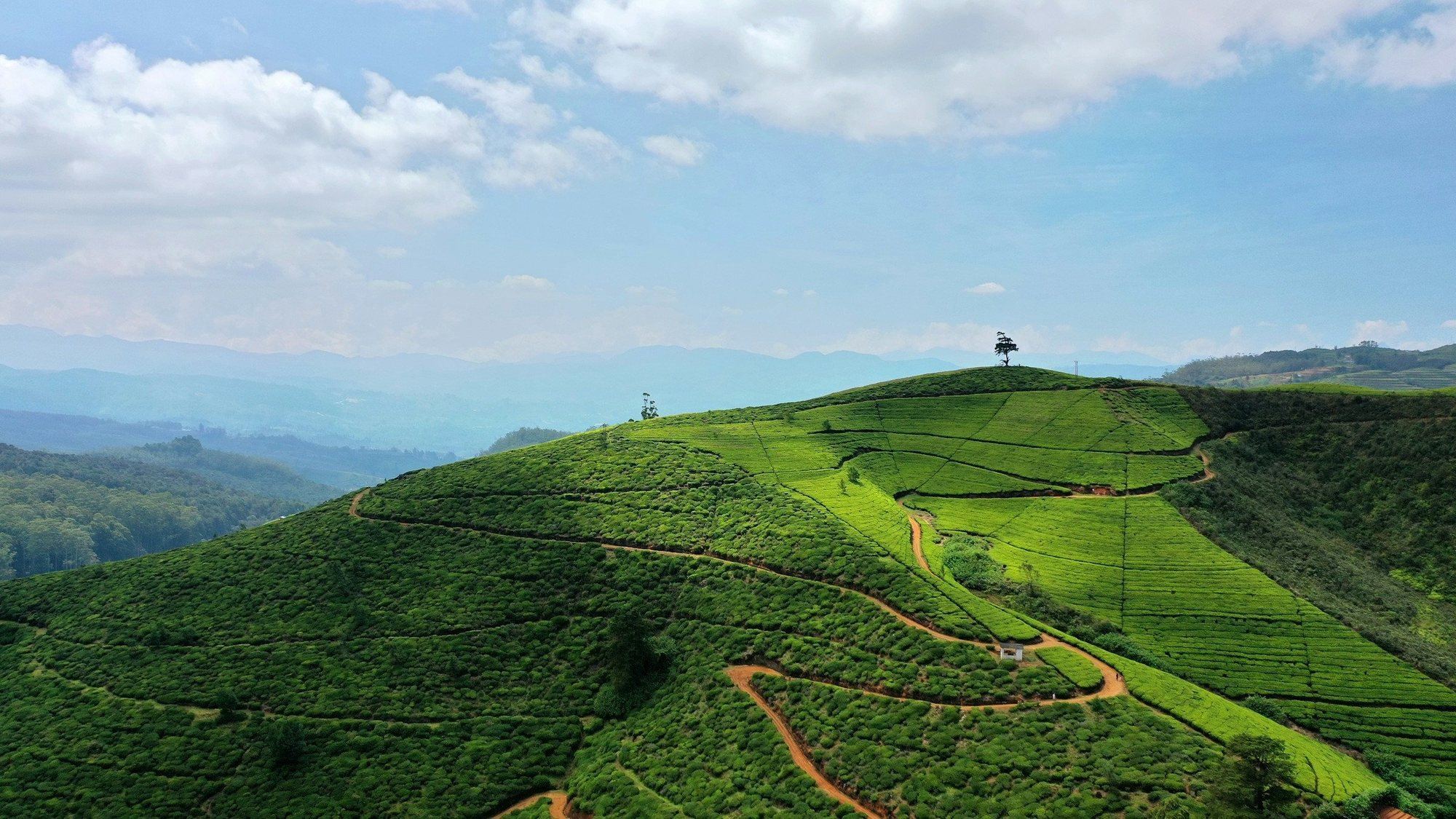
January to March for the clearest views of Ella, Nuwara Eliya and the tea estates. The hills are cooler and greener during the south-west monsoon, but mist and rain can hide the views. Bring a light jacket whatever the month.
Safaris and wildlife
- Yala: good for much of the year, especially February to July. Main blocks often close for part of September and October.
- Minneriya and Kaudulla: traditionally July to October for the elephant gathering; numbers vary with the water level.
- Udawalawe: elephants all year round.
- Wilpattu: roughly February to October.
- Whales: Mirissa roughly November to April, Trincomalee roughly March or April to August or September.
See our safaris page for how we plan game drives in each park.
The Cultural Triangle
Sigiriya, Dambulla, Polonnaruwa and Anuradhapura are in the dry zone and work well for most of the year. The best months are usually January to April and June to September. Climb Sigiriya early to avoid the midday heat.
Surfing
Arugam Bay from around April or May to October, with the best waves usually from June to August. On the south coast, Weligama, Mirissa and Hikkaduwa work from around November to April.
Lower prices and fewer crowds
The shoulder months of May, September and November, plus April outside the New Year week, are good value. You trade a little weather risk for quieter sites and better hotel rates. If you’re flexible, these are some of our favourite months to drive the island.
Which route suits your dates?
For December to April, a classic loop of the Cultural Triangle, Kandy, the hill country, Yala and the south coast is ideal. Our 10-day Classic Sri Lanka Round Tour and 7-day Sri Lanka Discovery both follow this pattern.
For May to September, add the east coast. Our 14-day Grand Tour with the East Coast takes in Trincomalee and Pasikudah while the beaches there are calm and sunny.
For the shoulder and rainy months, a tailor-made route lets us move you around the weather. Your driver watches the forecast every day and can swap the order of stops if a storm is coming.
Browse the island region by region on our destinations page, or tell us your dates on Plan my trip and we’ll suggest the best route for that time of year.